HCF News – Embracing oral history



Embracing oral history
bringing emotion and humanity into corporate archives
By Demelza van der Maas
Corporate archives tell you what happened. Oral history explains why it mattered. That insight helps organisations stay consistent in identity and purpose, even as strategies evolve. Without it, history becomes static and culture fragments. In this piece, I share how we use oral history at HEINEKEN to make heritage practical and keep the record honest.
Why oral history matters
Traditional archives – minutes, memos, strategies, artefacts – anchor the facts. Yet, while these documents are essential, they can sometimes feel detached – lacking the human touch that brings history to life. They show outcomes, dates and names. What they rarely capture are the judgement calls, trade‑offs and values behind those outcomes. That is the gap oral history fills. Despite its inherent subjectivity, oral history offers a deeply personal lens through which we can better understand the past and enriche our archives with nuance and authenticity. By recording these lived experiences, emotions, and reflections, we surface context: why a choice was made, what was at stake, and how it felt to the people involved.
For leaders and teams, this is not a “nice to have”. It’s a practical asset. Emotion and perspective influence how strategies land, how teams respond to uncertainty and how organisational memory persists. Oral histories make that memory findable, relatable and reusable.
What we did: the Green Giants project
In Green Giants, we paired colleagues from different eras for candid conversations – two voices, one role, decades or continents apart. The format was simple on purpose: no scripts, no corporate polish, just thoughtful prompts and time to talk. Across twelve episodes, we captured the evolution of roles, decisions and culture at HEINEKEN, and added twelve new oral histories to the Heineken Collection.
The outcome is more than a video series. It’s a reusable body of evidence about how our people navigated growth, setbacks and change. It complements the archive rather than competing with it, sitting alongside the documents that show what happened with stories that explain why and how.
You can explore the series here: heinekencollection.com/en/green-giants (externe link, opent in nieuw tabblad).
Keeping it honest: balancing emotion and accuracy
Oral history is subjective. That’s both its strength and its challenge. We treat that tension with care.
- Triangulation: We cross‑reference interviews with archival records (board minutes, correspondence, press, artefacts). Where accounts differ, we note it rather than smoothing it away.
- Structured prompts: Talkingpoints and briefings are designed to elicit specifics – decisions, dates, outcomes – alongside reflection. We avoid leading questions.
- Context and metadata: Every recording is logged with people, places, roles, topics, time periods and related artefacts. This makes stories searchable and reusable without losing nuance.
- Consent and rights: Participants receive a clear briefing and informed consent forms. We document usage rights, retention and withdrawal options.
- Transcripts and captions: We transcribe, time‑stamp and caption everything. Accessibility is non‑negotiable; transparency too.
- Editorial restraint: We edit for clarity and length, not for outcome. If a story is uncomfortable but important, it stays – with context.
The result is a record that is personal and credible. Not perfect, but trustworthy.
Where oral history earns its keep
We use oral histories as working tools, not museum pieces.
- Leadership communications: Stories ground strategy in lived reality. A decision note is clearer when an experienced voice explains the trade‑offs faced at the time.
- Onboarding and capability: New joiners grasp “how we do things here” faster when they hear it from people who’ve done the work.
- Innovation and change: Past pivots reveal patterns: what helped, what hindered, what to repeat, what to avoid. That insight shortens the path from idea to impact.
- Brand and customer narratives: When appropriate, stories add authenticity to pitches and campaigns, especially where Heineken® heritage deepens relevance.
- Risk and continuity: Capturing tacit knowledge reduces single‑point‑of‑failure risk when experts move on.
In short, oral history pays back by increasing relevance, transfer and speed. It helps people make sense of complexity.
Standards that make reuse possible
Storytelling only scales when it’s standardised. Our approach:
- Capture
- Briefing, consent, talking points
- Dual‑era pairings where useful
- Quality audio, neutral setting, accessible framing
- Describe
- Rich metadata (people, roles, sites, topics, dates)
- Links to related records and objects in the catalogue
- Secure
- Rights tracking, retention, and permissions routing
- Sensitivity review for personal data or confidential content
- Publish
- Subtitled versions for internal use; selected edits for external channels when appropriate
- Clear thumbnails and alt text; descriptive summaries
- Reuse
- Clip library for leadership decks, onboarding modules and training
- Guidance on context and correct attribution
This is not bureaucracy; it is what turns one video into many outcomes.
Lessons learned
- If everything is “celebratory”, nothing is useful. Allow complexity. Trust grows when the record reflects real trade‑offs, not only victories.
- Process beats heroics. Good capture and metadata on day one saves hours later. Skipping basics is false economy. We learned this the hard way.
- Accessibility expands impact. Subtitles, transcripts and clear summaries increase reach and retention.
- Ask better questions. “What happened?” is fine. “What surprised you?” “What did you change your mind about?” are better.
- Own the subjectivity. State who is speaking and from which vantage point. Viewers are adults; treat them that way.
- Link to the work. Whenever possible, connect stories to artefacts, metrics or outcomes from your existing collection. That’s how you move from nostalgia to utility.
From heritage to strategy: For‑EverGreen
This work isn’t about nostalgia. It’s about making history useful. Green Giants was always designed as a finite series — twelve episodes capturing the voices of colleagues who shaped HEINEKEN from the inside. That chapter is complete. But the commitment continues. We’ll keep recording oral histories in new formats and contexts, so heritage remains a living resource for brand building, culture and decision-making.
Within our For‑EverGreen approach, oral history is one of the ways we turn storytelling into a practical tool — something teams can draw on when pitching, onboarding or driving change.
If you want to try this in your organisation
- Start with one pilot topic where written records are thin but the stakes were high.
- Pair eras or roles to surface contrast and convey evolution.
- Invest in consent, transcripts and metadata from the beginning.
- Publish something tangible quickly – a short edit with captions – then build the library from there.
- Measure reuse, not just views: onboarding modules built, decks improved, decisions informed.
Bottom line
Oral history won’t replace your records. It will deepen them, adding meaning and context. That insight moves heritage from storage to strategy — and strategy is what shapes tomorrow.
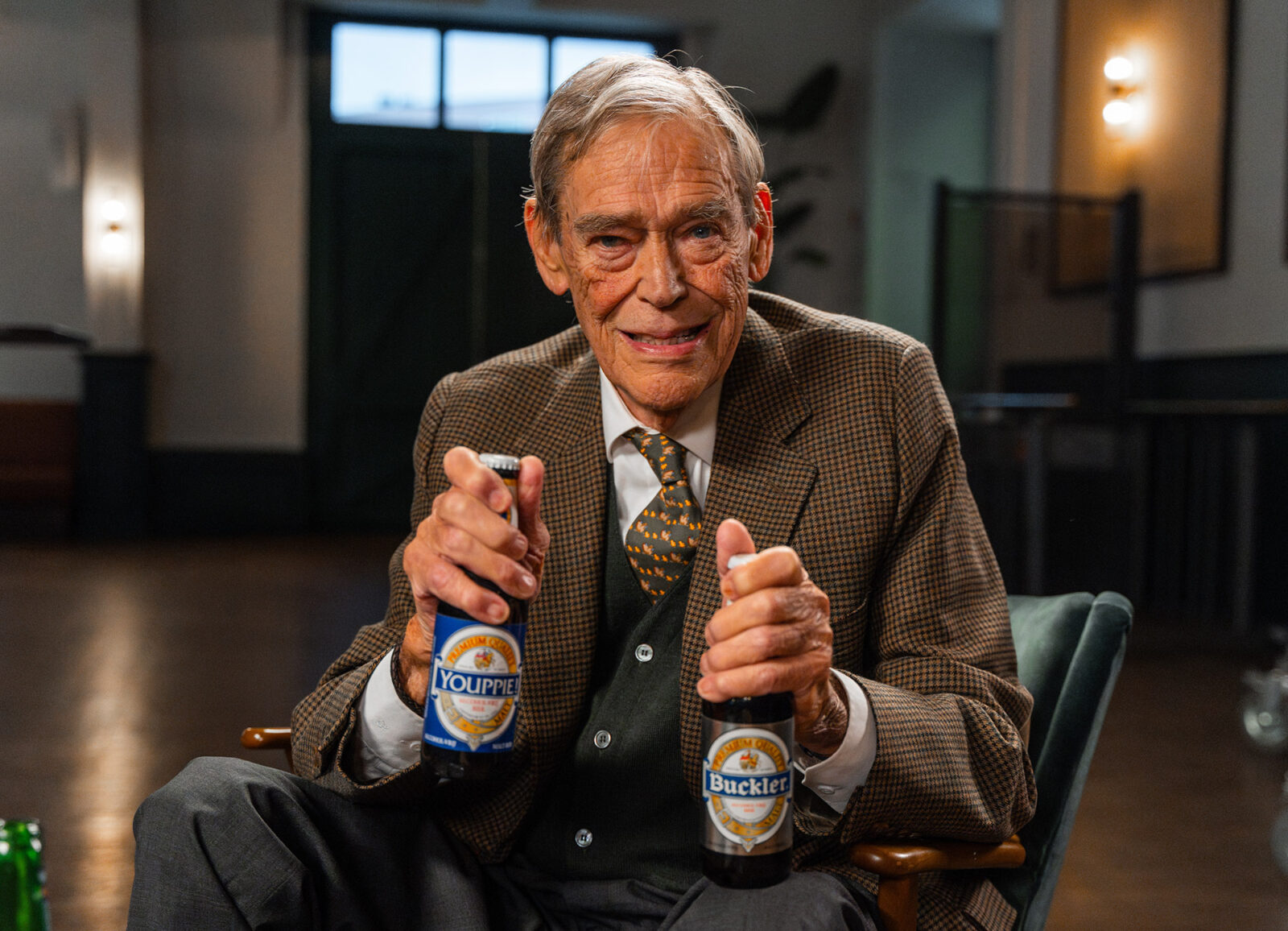

Watch, explore, reuse
- Watch the wrap reel: a two‑minute view of what we captured and why it matters.
- Explore the series: Green Giants lives here: heinekencollection.com/en/green-giants (externe link, opent in nieuw tabblad).
- Make it useful: if you work at HEINEKEN and want to reuse these materials for onboarding, leadership communications or change programmes, contact the Heineken Collection team for guidance on rights and context: collection@heineken.com